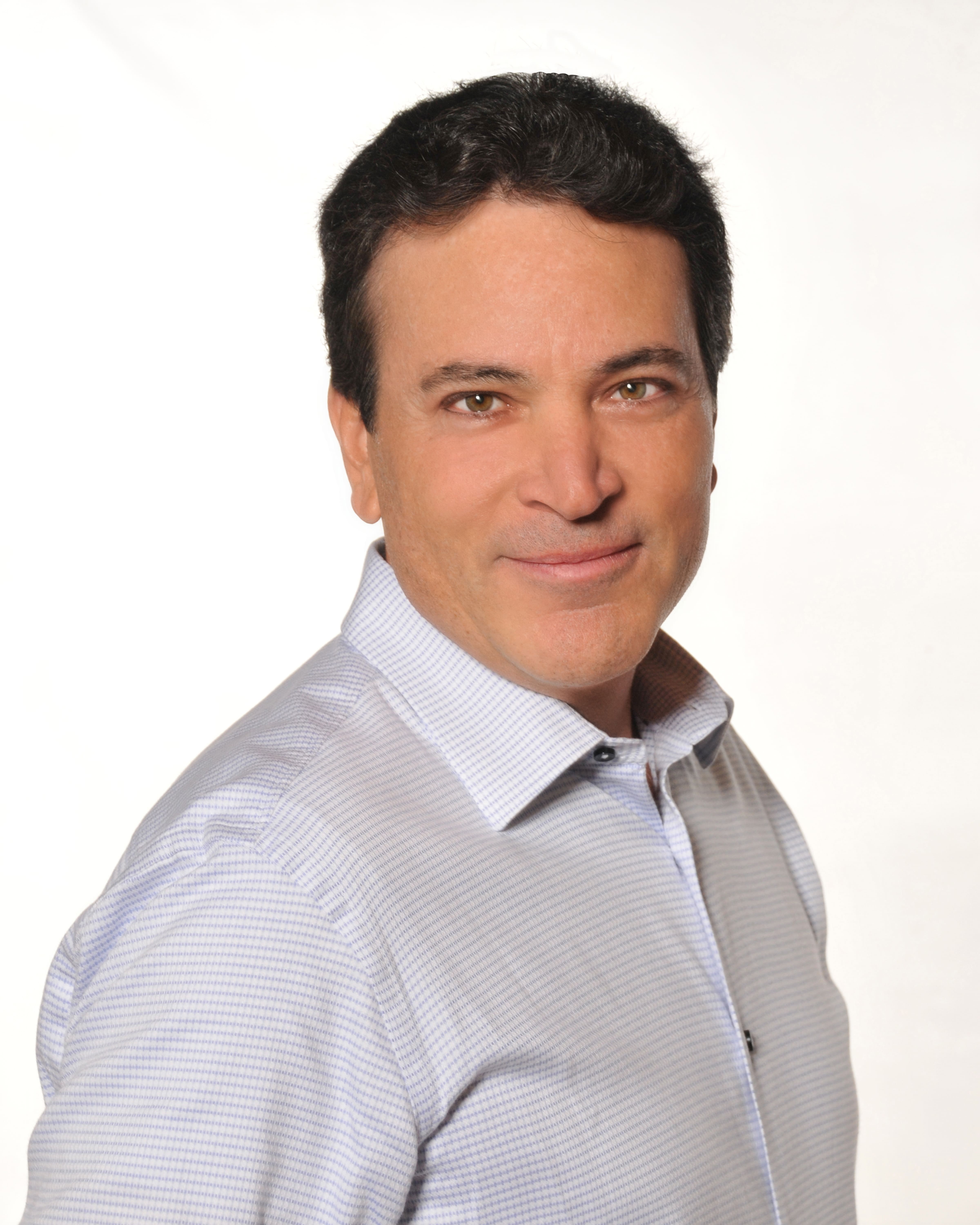

By Nino Pavan, J.D., CFP®
Tax season often feels heavier for those nearing or already in retirement. Multiple income sources, required distributions, benefit elections, and shifting tax rules can turn what should be a routine filing into a frustrating scramble.
At Financial Designs, we help retirees and pre-retirees simplify that process with a practical tax preparation checklist that brings order to the details and supports smarter long-term planning.
The steps below are designed to help you gather the right information, avoid last-minute surprises, and file with greater confidence.
1. Gather Your Personal and Income Documents
Tax documents tend to arrive in waves—some by mail, others electronically. Rather than tracking them down at the last minute, create a single system to gather and store everything as it arrives.
Income Information
Form W-2: Issued by employers and reporting wages and withholdings. Employers must send W-2s by January 31.
Form 1099-MISC: Reports income from contract or freelance work when payments exceed $600 from a single source.
Form 1099-INT: Shows interest earned from savings accounts, CDs, or other interest-bearing assets.
Form 1099-R: Reports distributions from pensions, annuities, IRAs, or retirement plans—especially relevant for retirees.
Form 1099-DIV: Details dividend income from taxable investment accounts.
Form 1099-B or 1099-S: Issued for sales of stocks, mutual funds, or real estate.
Form 1098: Reports mortgage interest paid during the year.
Form 1098-T: Shows qualified tuition payments and related education expenses.
Form 1095-A or 1095-C: Verifies health insurance coverage and any applicable premium tax credits.
Schedule K-1 (Forms 1065, 1120S, or 1041): Reports income from partnerships, S-corporations, trusts, or estates. These may arrive as late as April 15.
Income-Reduction Documents
A strong tax preparation checklist goes beyond income, capturing tax deductions and other items that can reduce what you owe.
Form 1098-E for student loan interest
Form 1098-T or tuition receipts
Receipts for qualifying energy-efficient home improvements
Records of IRA contributions
SEP, SIMPLE, or other self-employed retirement plan documentation
Medical savings account (MSA) contribution records
Moving expense records
Self-employed health insurance payments
Alimony paid under divorce agreements finalized before December 31, 2018
Personal Information
Having the following personal details readily available helps prevent delays:
Social Security numbers and birthdates for you and dependents
Prior-year tax return (helpful for reference)
Bank routing and account numbers for direct deposit
2. Collect Documents for Itemization
If itemizing deductions makes sense for your situation, you’ll need records to substantiate your totals.
Deductions and Credits
Childcare expenses (provider details and amounts paid)
Education expenses and Form 1098-T
Adoption expenses, including legal and medical costs
Mortgage interest, PMI, and points paid (Form 1098)
Investment interest expenses
Charitable contributions with official receipts
Medical and dental expenses
Casualty or theft losses with insurance records
Miscellaneous deductions such as union dues or unreimbursed employee expenses
Home business expense records
Taxes Paid
State and local income taxes
Real estate property taxes
Personal property taxes
3. Key 2025 Tax Year Changes
Several provisions can affect refund amounts for the 2025 tax year:
- The Child Tax Credit is capped at $2,200 per qualifying child and phases out above $200,000 MAGI (single) or $400,000 (joint).
- The Earned Income Tax Credit remains $649 for eligible taxpayers with no children.
- The Child and Dependent Care Credit allows claims of 20%–35% of expenses, up to $3,000 for one child or $6,000 for two or more.
4. Keep Up With Important Tax Changes
Life changes often affect how you file—even if your income looks similar year to year. Retirement account withdrawals, college enrollment, new dependents, or household changes should all be reflected accurately. Staying aware of contribution limit updates is also essential, particularly for those maximizing retirement savings late in their careers.
IRA Contribution Limits
- 2025 limit: $7,000 ($8,000 if age 50+)
- Contributions for 2025 allowed through April 15, 2026.
- 2026 limit: $7,500 plus $1,100 catch-up
401(k), 403(b), and 457 Plan Contribution Limits
- 2025 limit: $23,500 ($31,000 with age-50 catch-up)
- 2026 limit: $24,500 ($32,500 with catch-up)
- Ages 60–63 may use the $11,250 “super” catch-up
HSA Contribution Limits
- 2025: $4,300 individual / $8,550 family (+$1,000 age-55 catch-up)
- Contributions for 2025 allowed through April 15, 2026.
- 2026: $4,400 individual / $8,750 family
A Smarter Tax Preparation Checklist for Better Long-Term Decisions
A thorough tax preparation checklist helps prevent errors, but it also opens the door to better long-term decisions. Filing accurately for 2025 is important, but so is understanding how taxes interact with retirement income, distributions, and future planning.
The Financial Designs team has helped Southern California Edison and SoCal Gas employees prepare for retirement since the 1980s. Our goal-centered planning approach looks beyond this year’s return to evaluate how tax decisions affect the years ahead.
If you want guidance that connects tax preparation with your broader retirement strategy, we’re here to help. Reach out to schedule a conversation and take the next step toward a more organized, confident approach to your financial life.
To schedule a no-obligation consultation, call (909) 626 1642 or email fdc@fdcadvisors.com today!
About Nino
Nino Pavan is President and a CERTIFIED FINANCIAL PLANNER® professional at Financial Designs, a retirement planning firm in Claremont, California, with the mission of enabling individuals and families to financially prepare for and confidently enjoy their retirement years through goal-centered planning. With more than 30 years in the financial services industry, Nino is thankful for the opportunity to serve his clients by making the retirement process a stress-free one; he worries about their money so they don’t have to!
Nino holds a law degree from the University of Southern California, a Bachelor of Science in Telecommunications Management from DeVry Institute of Technology and has been a contributing advisor to Kiplinger. In addition to being a CERTIFIED FINANCIAL PLANNER® professional and Investment Advisor Representative, Nino has passed the Series 7, 24, and 63 securities exams and holds life and disability insurance licenses. He also conducts retirement and estate planning workshops for employees of major California companies. Outside of the office, Nino enjoys sports (regular and fantasy), traveling (specifically tropical destinations), walking, pickleball, church activities, and spending time with his wife Sherry and their two children, Derek and Sara. To learn more about Nino, connect with him on LinkedIn.