
By Nino Pavan, J.D., CFP®
The start of a new year is a natural time to pause, reflect, and get organized, especially when retirement is no longer a distant idea. For many Southern California Edison and SoCal Gas employees over 50, the right financial tips for the new year focus on taking intentional steps that truly matter. At Financial Designs, we’ve spent decades helping clients get ready for retirement with clarity and confidence.
Below are four practical, planning-focused ideas to help you start 2026 prepared.
1. Maximize Retirement Plan Contributions
Employer-sponsored retirement plans (such as 401(k)s, 403(b)s, and 457s) remain one of the most powerful ways to build long-term retirement stability, and contribution limits continue to rise each year.
For 2026, people aged 50+ can contribute an extra $8,000 (total $32,500) to 401(k)s. Those ages 60-63 qualify for an even higher catch-up of $11,250 (total $35,750).
A significant rule change from the SECURE 2.0 Act: for those with over $150,000 in prior-year wages, catch-up contributions must be Roth (after-tax) in employer plans. This means you won’t get an up-front tax deduction on these catch-up amounts, but the money will grow tax-free.
2. Understand Required Minimum Distributions
Recent changes under the SECURE Act 2.0 have adjusted the timing and requirements for required minimum distributions (RMDs), making it essential to stay informed.
If you reach age 73 after December 31, 2025, your first RMD must be taken no later than April 1, 2027. If you turn 74 after December 31, 2025, and have not yet taken an initial RMD, you are required to take your first distribution by April 1, 2026, followed by a second RMD by December 31, 2026.
For individuals who are subject to RMDs in 2025, understanding these rules early in the year can help avoid last-minute surprises. Even though the year has just begun, waiting too long can create unnecessary stress. Missing an RMD can be costly, as the IRS may impose a penalty equal to 25% of the amount that should have been withdrawn.
If you don’t rely on your RMDs for day-to-day expenses, you may want to explore directing those funds to a charitable organization through a qualified charitable distribution (QCD), which can also help reduce your taxable income for the year. To determine the correct amount to withdraw, use one of the IRS worksheets.
3. Strengthen Your Emergency Fund
This is a good time to confirm your emergency savings are sufficient. A well-funded emergency reserve typically covers three to six months of essential expenses such as housing costs, utilities, food, and transportation.
Given ongoing market volatility, many professionals now recommend keeping a larger cushion, closer to six to eight months of living expenses. Households with a single income or individuals who live alone may want to aim for the upper end of that range in case income is interrupted due to a job loss or reduced hours.
No matter the target amount, these funds should be kept in an account that is liquid so the money is immediately accessible when needed. At the same time, choosing an option that pays a competitive interest rate can help your emergency savings grow rather than lose value over time.
4. Use Health Savings Accounts Strategically
If you’re covered by a high-deductible health plan, funding a health savings account (HSA) in 2026 can be a powerful planning move. HSAs provide a rare triple tax gain: contributions may be tax-deductible, account growth is tax-free, and withdrawals remain tax-free when used for qualified medical expenses.
For 2026, the IRS allows HSA contributions of up to $4,400 for individual coverage and $8,750 for family coverage (up from $4,300 and $8,550, respectively, in 2025).
Get Personalized Financial Tips for the New Year
Financial tips for the new year are most effective when paired with personalized guidance.
At Financial Designs, our dedicated team helps individuals and families pursue their goals with customized financial strategies. And as fiduciary advisors, we prioritize personalized financial planning tailored to your unique needs and goals, aligning every decision with your best interests in mind.
If you’re ready to start 2026 with confidence, contact Financial Designs today! To schedule a no-obligation consultation, call (909) 626 1642 or email fdc@fdcadvisors.com.
About Nino
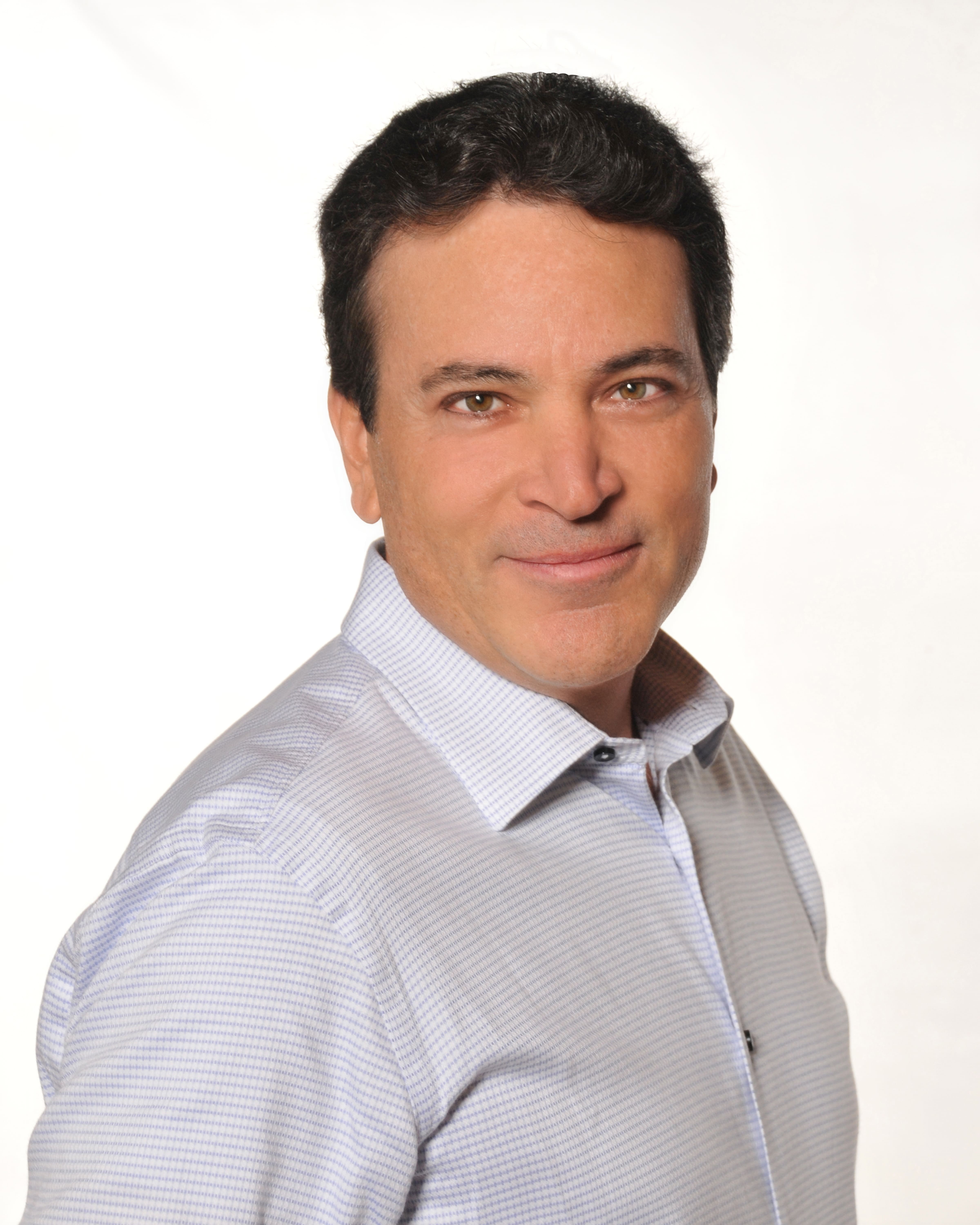
Nino Pavan is President and a CERTIFIED FINANCIAL PLANNER® professional at Financial Designs, a retirement planning firm in Claremont, California, with the mission of enabling individuals and families to financially prepare for and confidently enjoy their retirement years through goal-centered planning. With more than 30 years in the financial services industry, Nino is thankful for the opportunity to serve his clients by making the retirement process a stress-free one; he worries about their money so they don’t have to!
Nino holds a law degree from the University of Southern California, a Bachelor of Science in Telecommunications Management from DeVry Institute of Technology and has been a contributing advisor to Kiplinger. In addition to being a CERTIFIED FINANCIAL PLANNER® professional and Investment Advisor Representative, Nino has passed the Series 7, 24, and 63 securities exams and holds life and disability insurance licenses. He also conducts retirement and estate planning workshops for employees of major California companies. Outside of the office, Nino enjoys sports (regular and fantasy), traveling (specifically tropical destinations), walking, pickleball, church activities, and spending time with his wife Sherry and their two children, Derek and Sara. To learn more about Nino, connect with him on LinkedIn.