
By Nino Pavan, J.D., CFP®
Do you want to potentially pay less in taxes during retirement and leave a tax-free gift to your loved ones?
A Roth IRA conversion could be the answer. By paying taxes now on money in a traditional IRA or 401(k) and converting it, you can grow your tax-free retirement resources for the future while strengthening your overall estate and legacy plan.
But is a Roth conversion right for your financial plan? At Financial Designs, we believe in giving you all the information you need so you can make smart, goal-centered financial choices for your specific situation. Let’s explore the differences between a traditional and Roth IRA, understand what a conversion involves, and figure out how it can benefit both your retirement and your legacy.
Traditional vs. Roth IRA
A traditional IRA provides a tax benefit on the front end, meaning qualifying individuals enjoy a benefit sooner rather than later. Contributions are made with pre-tax earned income. At tax time, the contributions made over the last year are fully or partially tax-deductible based on income and whether you or your spouse are participating in a work-sponsored retirement plan.
Here’s a breakdown based on tax filing status for 2026:
- Single (covered by a workplace plan): The tax deduction phases out for those with a modified adjusted gross income (MAGI) between $81,000 and $91,000 (above $91,000, no deduction is allowed).
- Single (not covered by a workplace plan): The tax deduction is fully available for any amount of MAGI.
- Married Filing Jointly (covered by a workplace plan): For the spouse contributing who is covered by a workplace plan, the deduction phases out for MAGI between $129,000 and $149,000. (Note: If you are not covered by a workplace plan, but your spouse is, the phase-out range is higher, between $242,000 and $252,000.)
The 2026 max annual contribution into a traditional IRA is $7,500, plus an additional $1,100 catch-up contribution for individuals age 50 and older (for a total limit of $8,600). A traditional IRA also comes with required minimum distributions (RMDs), beginning April 1 after your 73rd birthday. (Note: Under the SECURE 2.0 Act, that RMD age will rise to 75 in 2033.) Ignoring an RMD will land you a hefty penalty fee—recently reduced under SECURE 2.0 from 50% to 25% (or 10% if corrected quickly). However, with the IRS actively enhancing its automated detection systems for missed RMDs, calculating and taking these distributions on time is more critical than ever.
Conversely, a Roth IRA provides a future tax benefit once you’re ready to withdraw the funds. Roth IRA contributions are made with after-tax money you’ve earned through work. When it’s time to cash in, you will not be assessed any further taxes on the initial investment or the gains.
Unlike a traditional IRA, there are no RMDs associated with a Roth IRA during your lifetime. You may withdraw your regular contributions at any time tax- and penalty-free. However, to withdraw account earnings completely tax- and penalty-free, you must be at least age 59½ and meet the IRS five-year holding rule (at least five tax years must have passed since you opened and funded your first Roth IRA).
Roth IRA Conversion and Taxes
A Roth IRA conversion involves converting tax-deferred savings (like a traditional IRA or 401(k)) into a tax-free Roth account. In doing so, you pay income tax on the converted amount today in exchange for tax-free growth and tax-free withdrawals for life.
Because tax rates remain historically favorable, evaluating a conversion comes down to bracket management. A common strategy is to “fill up” your current lower tax bracket with converted dollars without pushing yourself into a significantly higher bracket or triggering unintended consequences (like higher Medicare premiums or taxation on Social Security).
If you anticipate your income or broader tax rates will climb in the future (or if you want to eliminate future RMDs), paying taxes now through a deliberate conversion strategy can be a smart move.
Keep in mind that while regular Roth contributions can be withdrawn anytime, converted principal carries its own five-year waiting period. Each conversion has a separate five-year clock; if you withdraw converted funds before that five-year period is up and you are under age 59½, you may face a 10% early withdrawal penalty on that amount.
The Legacy Planning Advantage
Where a Roth conversion truly shines is in legacy and estate planning.
When you leave a traditional IRA or 401(k) to non-spouse beneficiaries (like your children), current tax laws generally require them to fully withdraw those funds within 10 years. Because these withdrawals are taxed as ordinary income, inheriting a pre-tax account during their peak earning years can inadvertently push your heirs into a much higher tax bracket—meaning a large portion of your hard-earned legacy goes straight to taxes.
By converting pre-tax assets to a Roth IRA during your retirement years, you absorb the tax burden now. Your beneficiaries can then inherit the Roth account 100% tax-free. While non-spouse heirs must still withdraw the account within 10 years, they won’t owe a single dollar in income tax on those distributions, allowing your wealth to compound tax-free for up to an extra decade after you’re gone.
Is it Best for You? Let’s Explore Roth IRA Conversion Benefits
If you have a traditional IRA or work-sponsored account and believe you’ll ultimately be in a higher tax bracket (or want to shield your heirs from unnecessary taxes), then a conversion may be for you.
Roth conversions can impact several areas of your financial plan, including taxes (of course), retirement planning, investment management, and estate planning, all of which suggests that working with experienced financial professionals to help you navigate the process could be of great benefit.
We at Financial Designs can help you decide if a Roth conversion is right for you and guide you through the process. Take the first step toward a stress-free, less-taxing retirement and legacy plan by setting up a free consultation.
To schedule a no-obligation consultation, call (909) 626-1642 or email fdc@fdcadvisors.com today!
About Nino
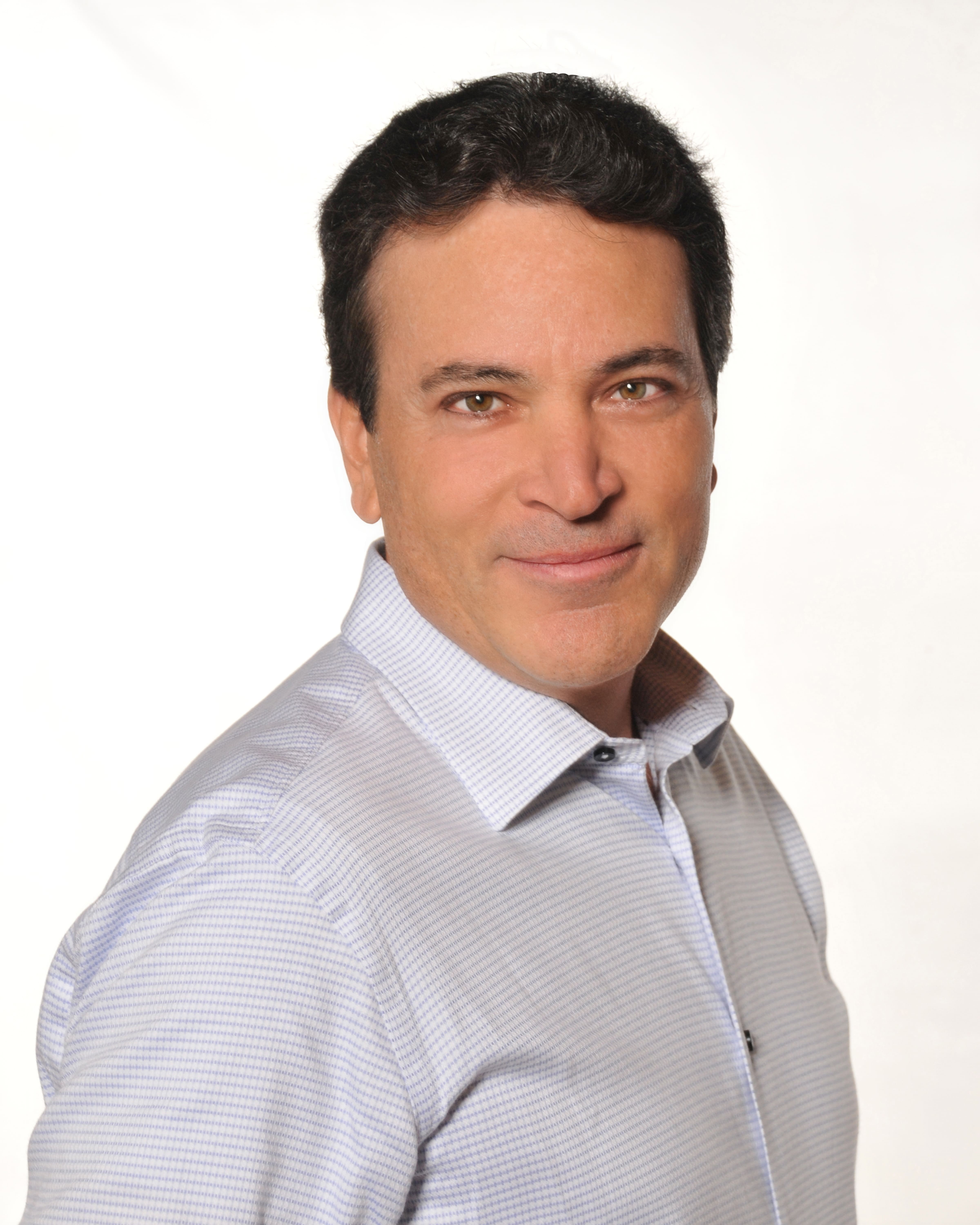
Nino Pavan is the President and a CERTIFIED FINANCIAL PLANNER® at Financial Designs in Claremont, CA, specializing in goal-centered retirement planning. With over 30 years of experience, Nino helps individuals and families navigate the retirement process with confidence, making it stress-free. He holds a law degree, a BS in Telecommunications Management, and is a contributing advisor to Kiplinger.